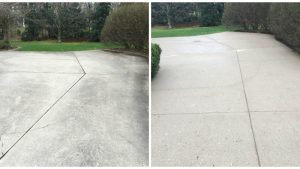
Concrete is one of the most durable surfaces in any home, but it is far from immune to staining. Over time, driveways, sidewalks, patios, and garage floors in Indiana take on discoloration that can make an otherwise well-kept property look worn and neglected. The good news is that most concrete stains are not permanent—and with the right approach, they can be removed or significantly reduced.
For homeowners, understanding what causes these stains is the first step. For lasting results, many turn to professionals like Indiana Wash & Seal, who specialize in restoring and protecting exterior surfaces across Indiana.
The Hidden Problem: Why Concrete Gets Stained
At first glance, concrete looks solid and impermeable. In reality, it’s porous—meaning it absorbs liquids, oils, and organic matter like a sponge. Once contaminants seep into the surface, they can become trapped below the top layer, making stains difficult to remove with simple rinsing.
In Indiana’s climate—where freezing winters, wet springs, humid summers, and road salt all come into play—concrete is constantly exposed to staining conditions. That combination of moisture, temperature swings, and organic debris accelerates discoloration.
Let’s break down the most common culprits.
Oil and Grease Stains (Driveways and Garages)
One of the most common issues homeowners face is oil staining from vehicles. Motor oil, transmission fluid, and grease can quickly soak into unsealed concrete.
These stains:
- Appear dark brown or black
- Spread over time if untreated
- Become harder to remove the longer they sit
Why it happens: Oil bonds with the porous surface of concrete, especially in warm weather when it becomes thinner and spreads more easily.
Removal approach:
- Absorb fresh spills immediately with cat litter or baking soda
- Use a degreasing cleaner and stiff-bristle brush
- For deep stains, hot water pressure washing or commercial oil removers may be required
Rust Stains (Fertilizer, Tools, and Water)
Rust stains are common around garden beds, metal furniture, grills, and sprinkler systems that contain iron-rich water.
They typically appear as:
- Orange or reddish-brown patches
- Streaks near metal objects
- Circular stains from cans or furniture legs
Why it happens: When iron oxidizes, it bonds with concrete minerals, leaving behind a persistent mark.
Removal approach:
- Apply a rust remover designed for concrete (acid-based or chelating agents)
- Let it dwell briefly, then scrub and rinse
- Avoid harsh acids unless handled by professionals, as they can etch the surface
Organic Stains (Leaves, Mold, and Algae)
In shaded or damp areas, organic growth is one of the most noticeable sources of staining. Indiana’s seasonal leaf drop makes this even more common.
These stains:
- Appear green, brown, or black
- Often feel slippery
- Spread across patios and walkways
Why it happens: Organic material decomposes on the surface, feeding mold, mildew, and algae growth.
Removal approach:
- Use oxygen-based cleaners or diluted bleach solutions
- Scrub affected areas thoroughly
- Pressure washing is highly effective when done correctly
Tire Marks and Rubber Stains
Hot tires can actually transfer plasticizers from rubber onto concrete, leaving behind stubborn dark streaks.
These stains:
- Appear as black arcs or smudges
- Are most common in driveways
- Can become semi-permanent if ignored
Why it happens: Heat from tires causes a chemical bond between rubber and concrete.
Removal approach:
- Use a citrus-based degreaser or specialized tire mark remover
- Allow dwell time before scrubbing
- Professional surface cleaning may be needed for older marks
Efflorescence (White Chalky Residue)
Efflorescence is a powdery white stain that appears when water moves through concrete and brings salt deposits to the surface.
You’ll often see it:
- On basement floors
- On newly poured concrete
- After heavy rain or snowmelt
Why it happens: Water evaporates, leaving mineral deposits behind.
Removal approach:
- Dry brushing for light buildup
- Mild acid cleaners for heavier deposits
- Address underlying moisture issues to prevent recurrence
Fertilizer and Chemical Stains
Lawn fertilizers and de-icing chemicals can leave uneven discoloration on concrete surfaces.
These stains:
- Often appear in patches or streaks
- Can be light or dark depending on the chemical
- Are common near lawns and sidewalks
Removal approach:
- Rinse quickly after exposure
- Use neutralizing cleaners when necessary
- Avoid letting chemicals sit on concrete surfaces
The Guide: How Indiana Wash & Seal Restores Concrete
While DIY cleaning can handle minor stains, deeper discoloration often requires professional treatment. That’s where Indiana Wash & Seal comes in.
Our process typically includes:
- Surface inspection to identify stain type and depth
- Pre-treatment with specialized cleaning agents
- Controlled pressure washing to lift embedded contaminants
- Optional sealing to protect against future staining
Sealing is especially important in Indiana, where freeze-thaw cycles can open up new pores in concrete each winter. A quality sealant creates a protective barrier that reduces absorption and makes future cleaning easier.
The Plan: How Homeowners Can Protect Their Concrete
Here’s a simple homeowner-friendly approach:
Clean spills immediately
The faster you act, the less chance a stain has to set.
Schedule seasonal cleaning
Spring and fall cleanings help prevent buildup from weather changes.
Use mats or trays under vehicles and grills
This reduces direct contact with concrete.
Seal your concrete every few years
This is the most effective long-term protection method.
The Result: Clean, Protected, and Restored Concrete
When concrete is properly cleaned and maintained, it dramatically improves curb appeal and safety. Driveways look newer, patios feel more inviting, and walkways become less slippery and hazardous.
More importantly, regular maintenance extends the life of the surface itself—saving homeowners money on repairs or replacement down the road.