A Guide by Indiana Wash & Seal
Your driveway does more than give you a place to park—it’s the welcome mat to your home. In places like South Lafayette and surrounding areas, where seasons bring everything from freezing winters to humid summers, your driveway takes a beating year-round.
If you’ve ever noticed cracks forming, discoloration spreading, or rough patches developing, you’re not alone. The good news? With the right care and a little expert guidance, you can protect your driveway from costly damage and keep it looking like new for years.
Let’s walk through how to do exactly that.
The Problem: Weather and Time Are Working Against You
Driveways are constantly exposed to the elements. Rain seeps in, sunlight dries and weakens surfaces, and freezing temperatures expand tiny cracks into major problems. Over time, what starts as a hairline fracture can become a large split that compromises the entire surface.
In Indiana, one of the biggest culprits is the freeze-thaw cycle. Water enters small pores in concrete or asphalt, freezes, expands, and forces the material apart. Add in vehicle weight, oil stains, and dirt buildup, and your driveway is under constant stress.
Without protection, damage is inevitable.
The Guide: Indiana Wash & Seal
That’s where Indiana Wash & Seal comes in. Serving homeowners in South Lafayette and nearby communities, we specialize in helping you extend the life of your driveway through professional cleaning and sealing solutions.
But even if you’re just getting started, here’s what we want you to know.
Step 1: Keep It Clean (More Than You Think)
It might seem simple, but regular cleaning is one of the most effective ways to prevent damage.
Dirt, algae, oil, and debris don’t just sit on the surface—they break it down over time. Oil stains, for example, can weaken asphalt and cause soft spots. Mold and algae trap moisture, which accelerates cracking during temperature swings.
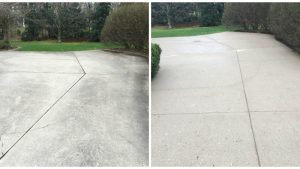
A professional pressure washing service safely and thoroughly removes these harmful contaminants, restoring your driveway and preparing it for further protection.
Tip: Schedule a deep clean at least once a year, ideally in spring or early fall.
Step 2: Seal the Surface
Sealing your driveway is like putting armor on it.
A high-quality sealant creates a protective barrier against:
- Water penetration
- UV rays
- Oil and chemical spills
- Freeze-thaw damage
Concrete and asphalt both benefit from sealing, though the products and timing differ. Asphalt typically needs sealing every 2–3 years, while concrete may last longer depending on exposure and usage.
Without sealing, your driveway is vulnerable. With it, you significantly extend its lifespan and maintain its appearance.
Step 3: Address Cracks Early
Small cracks might not seem urgent—but they are.
Even the tiniest opening allows water to enter. Once that happens, the freeze-thaw cycle does the rest, turning minor issues into major repairs.
Inspect your driveway regularly and look for:
- Hairline cracks
- Uneven surfaces
- Chips or flaking
Filling cracks early is quick, affordable, and highly effective. Waiting too long can mean needing full resurfacing or replacement.
Step 4: Improve Drainage
Water is your driveway’s biggest enemy.
If water pools on the surface or drains toward your driveway, it increases the risk of erosion, cracking, and structural damage.
Make sure:
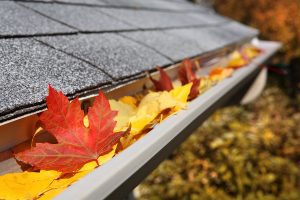
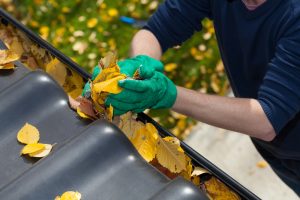
- Gutters and downspouts direct water away
- The driveway slope allows proper runoff
- Low spots are addressed promptly
Proper drainage reduces long-term wear and prevents costly repairs.
Step 5: Be Mindful of Weight and Use
Driveways are designed for vehicles—but not all loads are equal.
Heavy trucks, RVs, or construction equipment can stress the surface beyond its limits, especially if it’s already weakened. Repeated pressure in the same spot can lead to cracks and depressions.
Try to:
- Avoid parking heavy vehicles long-term
- Rotate parking positions when possible
- Use protective boards for heavy equipment
Small habits make a big difference.
Step 6: Protect Against Seasonal Extremes
In Indiana, weather changes fast—and your driveway feels every shift.
During winter:
- Avoid using harsh de-icing chemicals that can damage concrete
- Use sand for traction instead of salt when possible
During summer:
- Watch for surface softening in asphalt due to heat
- Keep the surface clean to prevent UV breakdown
Seasonal care helps your driveway adapt and endure.
The Success: A Driveway That Lasts
Imagine pulling into your driveway and seeing a clean, smooth, crack-free surface. No crumbling edges. No stains. No costly repairs looming in the near future.
That’s what happens when you take proactive steps—and when you partner with professionals who understand your environment.
Homeowners who invest in regular maintenance and sealing don’t just improve curb appeal—they save money over time by avoiding major repairs or full replacement.
Your Next Step
You don’t have to wait for cracks to appear before taking action.
Whether your driveway is brand new or showing early signs of wear, Indiana Wash & Seal is ready to help homeowners in South Lafayette and surrounding areas protect what matters.
Because when you protect your driveway, you’re protecting your home.
And that’s a story worth investing in.
Helpful Resources
If you want to dive deeper into driveway care, here are some valuable resources:
- Asphalt Institute – Industry standards for asphalt care and preservation
- U.S. Department of Housing and Urban Development (HUD) – Home maintenance tips for long-term property care